A multimedia filter bed works because each layer is sized to do a specific job and to hold the layer above it in place during backwash. Get the sequencing wrong, and even correctly-graded media will migrate, mix or wash out over time.
The basic layer sequence
From bottom to top, a typical bed looks like this:
- Base support layer — coarse quartz gravel or filtering gravel, 16–32 mm, sitting directly over the underdrain or nozzle plate
- Mid support layer — 8–16 mm gravel, stepping the grain size down gradually
- Upper support layer — 4–8 mm or 2–4 mm gravel, the final step before the filtering media itself
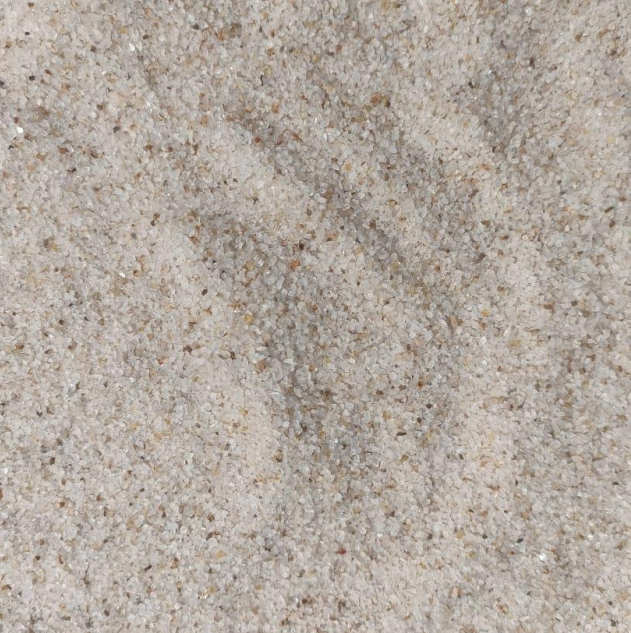
- Filtering layer — filtering sand or quartz silica sand, 0.4–2 mm depending on target water quality
Why the size ratio between layers matters
Each layer should be roughly 3–4 times coarser than the layer above it. Too small a ratio and fine media works its way down between the gaps; too large a ratio and the transition doesn't hold the bed together during backwash agitation. This is the most common cause of gradual sand loss into underdrain systems.
Common layering mistakes
- Skipping a support step (jumping from 32 mm gravel straight to 2 mm sand) instead of grading down gradually
- Reusing old support gravel that has degraded or lost its size distribution over years of backwash
- Ignoring bed expansion during backwash, which can lift and intermix adjoining layers if flow rate isn't calibrated to the media
Re-mediaing an existing filter
If an existing filter is showing early breakthrough, rising head-loss, or turbid backwash water even after cleaning, the media itself — not just the operating parameters — is often the cause. A full re-media, using correctly graded gravel and sand layers, is usually more cost-effective than repeated partial top-ups.